


Task changes
Identify the work the evidence says is changing and the setting in which the change occurs.
Research Center · AI and Work
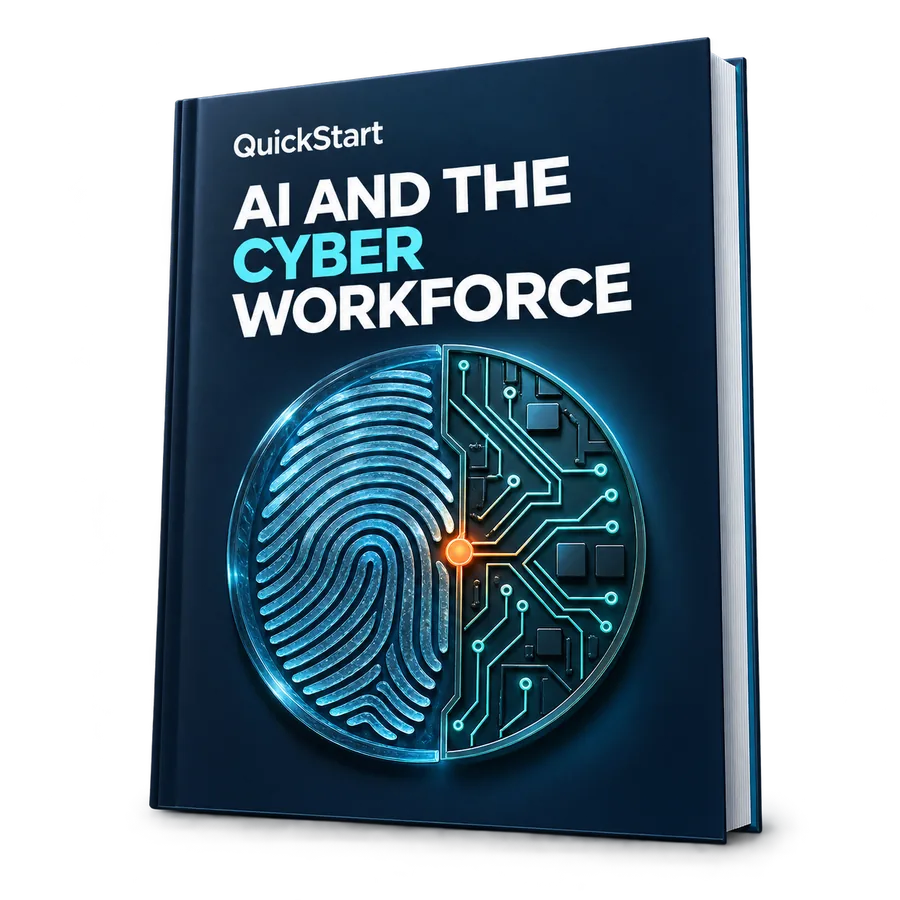
Will AI replace cybersecurity analysts, or change the work they need to do? A useful answer starts with the task, the evidence, and the people responsible for the outcome. AI and the Cyber Workforce explores AI's impact on cybersecurity jobs and skill requirements. Use the research to examine opportunity and disruption together, then connect the findings with a clearer hiring or development question.
AI impact on cybersecurity jobs
AI can change how a cybersecurity task is performed, which skills the work requires, and how people review the result. Those are separate questions from whether a whole role disappears. Read the report's findings at the task and workforce level, with the research period and source context visible before drawing a conclusion about jobs.
Identify the work the evidence says is changing and the setting in which the change occurs.
Review the capability people need to use, evaluate, or oversee AI within the work.
Separate observed findings from forecasts when considering a hiring or development response.
Key AI-workforce findings
A task change, adoption finding, and staffing forecast answer different questions. Keep the research measure and source beside each finding, then follow the implication into the work it describes.

[Approved task-change finding] [Research period and population] [Source table or figure]
Explore skills demand[Approved AI-skills finding] [Skill definition and source scope] [Source table or figure]
Explore workforce upskilling[Approved role/workforce finding] [Observed result or forecast] [Source table or figure]
Explore skills-based hiringAutomation and augmentation
Automation concerns work a system performs. Augmentation concerns how a person uses a system within their work. Examine the task, the decision owner, and the evidence needed to review the result before choosing a workforce response. NIST's AI Risk Management Framework emphasizes clear human roles and responsibilities around AI use and oversight.

Identify the specific task and the conditions under which the system performs it.
Explain what the person contributes and how the output fits the responsibility.
Define who evaluates the result, handles an exception, and owns the consequential decision.
AI and cyber skills
A practical AI-skills conversation starts with the work. Ask what a cyber professional needs to understand, which outputs they need to evaluate, and what evidence would show sound judgment in the task. Use the report's findings to investigate changing requirements, then connect the role context with a focused learning or hiring priority.

Understand the cyber work and the purpose of the system within it.

Evaluate the result against the task and the evidence available.

Identify when the work needs further investigation or a human decision.

Use relevant practical evidence to explain the capability the role needs.
AI and a workforce decision
How AI changes cybersecurity roles depends on the work, system, and organization. Use research to examine a specific implication, then decide what evidence or capability the workforce response requires.
| Your workforce question | What to examine |
|---|---|
| Which task is changing? | Your workforce question The task, system use, setting, and source evidence. |
| Which responsibility remains with a person? | Your workforce question Decision ownership, review, and exception handling. |
| What capability does the role now need? | Your workforce question The relevant knowledge, skills, and practical evidence. |
| What should hiring or learning address? | Your workforce question A defined requirement, gap, and next review point. |
Balanced research and methods
A survey can describe what people report. An observation can describe activity in a defined setting. A forecast adds assumptions about what may happen next. Keep those forms of evidence distinct when reading AI cyber workforce research. Review the source method, period, and population before treating a prediction as an observed change in a role or the labor market.

[Approved survey or observation method] Identify what the source can demonstrate.
[Approved respondents or records] Keep the work setting and timing visible.
[Approved evidence classification] Separate observed results from future assumptions.
[Approved caveats and uncertainty] Carry the relevant qualification into the claim.
A workforce response to AI
Move from a general AI question to a specific responsibility. Read the research, define the capability the work needs, and choose a next step you can review against relevant evidence.
Step 1

Identify the cyber responsibility and how the system relates to the work.
Step 2
Review the finding with its period, population, and research method.
Step 3
Explain who evaluates the result and owns the decision or exception.
Step 4

Identify the knowledge, practical skills, and judgment the responsibility requires.
Step 5

Connect the requirement with a focused development or hiring priority and review point.
Research and practical next steps
The report examines AI and work. The next route depends on your question: broader skills demand, a workforce learning priority, or the evidence a specific hiring process needs to review.
Explore the broader capability requirements behind employer demand, with AI considered in its role and domain context.
Explore skills demand Explore SkillsIQ development to connect a defined AI-related requirement with the capability your workforce needs.
Explore workforce upskilling Explore HiringIQ's AI Skills Interviews route when your question concerns candidate skills evidence and a role's evaluation context.
Explore AI Skills Interviews
Frequently asked questions
Answers about roles, skill requirements, the research method, citation, AI hiring products, and workforce decisions.
Explore the evidence behind AI's impact on cyber roles and skills. Connect it with the capability your team needs, or talk with a Workforce Expert.