
Memorial Day reminds us of the service and sacrifice of those who served in the armed forces. For HR leaders, it’s also a moment to ask a practical question: how can your organization create employment pathways that recognize military experience as a strategic asset rather than a seasonal gesture? Demonstrating our commitment to hiring veterans for cybersecurity roles is central to our approach, ensuring that supporting the veteran community is a core value embedded in our workforce strategy.
Key Takeaways
- Hiring veterans for cybersecurity roles is a strategic workforce move, not a charity initiative. Veterans already operate in high-risk, security-focused environments and bring mission focus, discipline, and clearance eligibility that directly translate to cyber work.
- About 16% of current cybersecurity professionals have a military background, and companies are increasingly investing in this talent pool to protect their assets and fill critical staffing gaps. Veterans bring significant benefits to organizations, including strong work ethic, leadership, and familiarity with federal employment benefits such as salary, health insurance, leave entitlements, retirement plans, and career development opportunities. Additionally, active duty service member experience can often be credited toward federal employee benefits, such as determining leave accrual and qualifying for certain federal programs, making veterans especially attractive candidates for federal and VA cybersecurity roles.
- Use tools like the DoD SkillBridge program, MOS-to-cyber role translation, and veteran-focused sourcing channels to build a predictable veteran cyber talent pipeline.
- Tax credits like WOTC support the business case, but the primary value lies in improved capability, resilience, and reduced reliance on expensive contractors.
- HR and talent leaders should begin updating job descriptions for MOS inclusion, refining sourcing tactics, and building onboarding plans before the next hiring cycle.
- HR leaders should also be aware of the unique challenges veterans may face during the transition to civilian cybersecurity roles and ensure support systems are in place to help them succeed.
Why Veterans Outperform in Cyber Roles
Many transitioning service members seek a new mission in civilian life, often pursuing their next career in cybersecurity. Cybersecurity offers purpose-aligned continuity for those accustomed to protecting sensitive information and operating under pressure. The cybersecurity industry presents both job security and high demand, as organizations increasingly need cybersecurity professionals to defend against evolving threats. Our organization is committed to supporting those who serve - including active service members, veterans, and their families—by providing pathways and resources for successful transitions into cybersecurity careers.
Military veterans possess many transferable skills that make them well-suited for a cybersecurity career: critical thinking, attention to detail, and the ability to work under pressure. Military training prepares individuals to maintain situational awareness and make fast, accurate decisions during high-stakes crises. Veterans excel at making quick, informed decisions during situations like cyber attacks or data breaches.
Military experience instills discipline, trustworthiness, and adherence to protocols - critical for cybersecurity compliance. Veterans are accustomed to strict compliance frameworks such as NIST SP 800-53 and DISA STIG compliance, essential for federal and defense contractors. Military experience also instills respect for standard operating procedures, chain-of-command workflows, and rigorous documentation, important for compliance and audit-heavy environments.
Proactive cyber defense requires adversarial thinking trained in veterans, enabling them to analyze threats and identify vulnerabilities. Many veterans already hold active federal security clearances, expediting the hiring and onboarding process for sensitive roles. Veterans typically possess a high level of accountability and a shared sense of purpose, viewing cybersecurity as a continuation of their service.
Not every veteran is automatically cyber-ready. Focus on aptitude, clearance history, and willingness to learn new skills rather than requiring direct cyber titles. Veterans may face challenges during the transition to civilian cybersecurity roles, but with the right support and training, they can overcome these obstacles. Many veterans arrive with hands-on experience in COMSEC/INFOSEC operations, which shortens the learning curve in corporate IT and cyber roles.
Translating MOS Codes to Cyber Job Functions
MOS (Military Occupational Specialty), AFSC, and Navy ratings classify over 800 specialties. HR teams that filter by civilian titles alone miss qualified candidates. Learning to interpret these codes is essential for effective veteran cyber recruitment.
|
Military Code |
Branch |
Cyber Role Fit |
Screening Focus |
|---|---|---|---|
|
25B |
Army |
Network Defender, SOC Analyst |
TCP/IP, troubleshooting, ticketing |
|
17C |
Army |
Security Engineer, Incident Responder |
Vulnerability assessment, MITRE |
|
3D0X2 |
Air Force |
Cyber Operator |
SIEM tools, firewalls |
|
IT Rating |
Navy |
Security Analyst |
Endpoint protection, protocols |
|
0621 |
Marines |
Communications Security |
Encryption, RF analysis |
Security engineers are among the most in-demand roles in cybersecurity, and veterans with relevant MOS codes - such as 17C - are well-positioned to transition into these positions.
Use O*NET’s Military Crosswalk Search to translate military experience into civilian job families. Add a “Military Experience Welcome” note in cyber job announcements and explicitly invite candidates to list MOS codes and key duties.
Partner with internal cyber leaders to build a repeatable MOS-to-role reference sheet. This helps recruiters screen veteran résumés more confidently and fairly, ensuring that tailored federal resume submissions are properly evaluated. Recognize that hiring veterans for cybersecurity roles offers significant advantages due to their alignment with defense-oriented work, specialized operational training, and the experience many bring to lead teams or projects in cybersecurity.
SkillBridge: Hire Veterans Before They Separate
The DoD SkillBridge program allows active duty service members up to 180 days of civilian training during their final months of service. This provides hands-on experience in the cybersecurity industry through participating organizations. The program aims for 80%+ conversion to full-time roles.
Effective strategies for hiring veterans in cybersecurity include leveraging DoD SkillBridge for internships and translating military experience into civilian cyber roles. The Department of Defense and various organizations provide training and educational opportunities specifically designed for military personnel transitioning into cybersecurity careers. Organizations committed to supporting service members' transitions play a proactive role in facilitating career pathways and fostering inclusive, military-friendly environments.
To become an approved SkillBridge organization:
- Register at skillbridge.mil (free)
- Submit an MOA outlining training structure
- Gain base commander approval (2–6 weeks typical)
- Plan 6–12 weeks for full approval
A cybersecurity-focused SkillBridge track might include security fundamentals, cloud security basics, SOC rotations, mentorship by certified professionals, and clear conversion criteria. SkillBridge can also support military spouse employment when organizations design hybrid and remote cyber career paths.
Best practices:
- Assign a dedicated program owner
- Align cohorts with specific cyber vacancies
- Track conversion and retention metrics over 12–24 months
- Be committed to supporting service members' transitions into cybersecurity roles
Tax Credits and Hiring Incentives (WOTC)
The Work Opportunity Tax Credit offers $2,400–$9,600 per eligible hire from targeted groups, including certain veterans. HR and finance leaders should understand the basic process.
Steps to claim WOTC:
-
Pre-screen candidates using IRS Form 8850 on or before the offer date
-
Submit to state workforce agency within 28 days
-
Coordinate with payroll and tax advisors for certification
For detailed eligibility requirements, consult DOL WOTC resources and IRS guidelines. Veterans Affairs also provides additional resources and guidance for hiring veterans into federal cybersecurity roles, supporting both employers and candidates navigating the process.
While incentives strengthen the business case, the primary rationale for hiring veterans into cybersecurity is improved capability, resilience, and reduced reliance on expensive contractors. A mid-sized organization hiring 5 veteran analysts into GRC roles could offset $15K in training costs through WOTC credits while building internal cyber bench strength.
Building a Veteran-Friendly Cyber Job Description
Many traditional cybersecurity postings unintentionally screen out strong military veterans and military spouses through rigid degree requirements, jargon-heavy titles, and unclear career paths. Cybersecurity professionals are among the highest-paid in the tech industry, with salaries continuing to rise - so candidates have options. Cyber roles are especially appealing for veterans, offering the opportunity to work with cutting edge technology and advanced security systems. Technology is a key enabler in these positions, empowering veterans to leverage their skills and excel in dynamic environments.
Veteran-friendly job description checklist:
- Skills-based requirements focused on outcomes (monitor, detect, escalate, document)
- Accept equivalent military experience alongside degrees
- Clear explanation of security clearance needs
- Certifications listed as “preferred” rather than absolute barriers
- Inclusive language welcoming National Guard, Reserve members, and military spouses
- Remote or flexible options where feasible
- Value experience in software development as relevant for many cybersecurity positions
Cybersecurity professionals must have a deep understanding of various security frameworks, programming languages, software development, and software tools to excel in their careers. Reference available cybersecurity upskilling programs, mentorship, and formal career paths so candidates see a new mission beyond the first role.
Where to Source Veteran Cyber Talent
Veteran cyber recruitment requires targeted sourcing beyond generic job boards. Many companies in the cybersecurity sector participate in programs like the Military Spouse Employment Partnership to support military families and enhance their workforce with diverse talent, aiming to connect with veterans, military spouses, and service members through meaningful partnerships and community integration.
|
Channel |
Description |
Best For |
|---|---|---|
|
DoD SkillBridge |
Pre-separation internships |
SOC/GRC tracks |
|
Hiring Our Heroes |
Events, fellowships |
Tech/cyber webinars |
|
RecruitMilitary |
100+ job fairs/year |
Cyber expos |
|
American Job Centers |
VA-linked, free |
Transition workshops |
|
MSEP |
500+ employers for spouses |
Remote GRC/analyst |
|
Service TAP |
Base transition programs |
MOS translation |
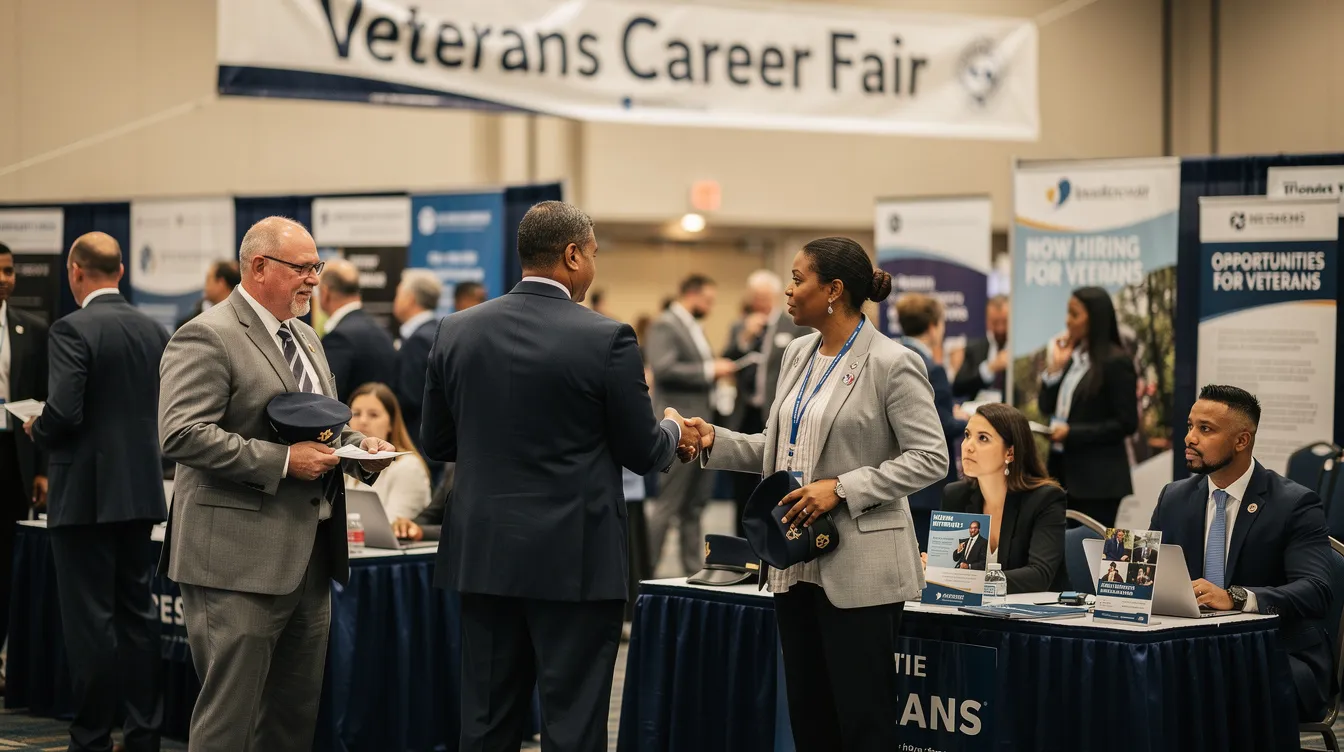
Veterans make up a significant portion of the workforce in cybersecurity, with many companies actively seeking to hire individuals with military backgrounds due to their unique skills and experiences. Engage with the Military Spouse Employment Partnership specifically to reach military spouse candidates for remote cyber rolesand flexible analyst positions.
Tap internal networks: existing employees who are veterans or military spouses, ERGs, and referrals from current cyber staff. Create opportunities to connect veterans, military spouses, and service members with the broader cyber community through Employee Resource Groups and networking initiatives. Create an annual calendar combining virtual career fairs, base visits, and online events around key dates without reducing veteran hiring to a one-day campaign.
By building these connections and fostering an inclusive environment, your organization can aspire to lead in the cybersecurity world, setting a standard for diversity and global impact.
Onboarding and Retention Best Practices
Hiring military veterans and military spouses into cybersecurity is only effective when supported by structured onboarding, mentorship, and clear progression paths. Veterans understand the stakes in a secure network and are accustomed to following strict procedural discipline and technical instructions.
A veteran-aware onboarding plan should include:
- Orientation explaining company culture versus military culture
- Explicit communication norms and decision-making processes
- Clarification of performance review and promotion processes
Assign two partners to each new veteran hire: a technical mentor within the cyber team and a peer culture guide who can help translate unwritten rules of civilian work life.
Organizations should prioritize hiring veterans for aptitude, reliability, and existing security clearances, while supporting certifications like CompTIA Security+. Obtaining cybersecurity certifications such as the Certified Information Systems Security Professional (CISSP) or the Certified Ethical Hacker (CEH) can significantly increase job prospects and salaries.
Retention tactics:
- Access to training programs and certifications
- Visible career paths across incident response, governance, and cloud security
- Policies respecting Guard/Reserve obligations
Track specific outcome metrics: first-year retention, certification completion rates, internal mobility into advanced roles, and reduction in critical cyber vacancies.

Common Hiring Mistakes to Avoid
Even well-intentioned HR teams can create barriers for military veterans and military spouses seeking cybersecurity roles. Veterans are trained to stay calm and make decisions under immense pressure, vital in incident response - skills that may not appear on a traditional résumé.
Common mistakes:
-
Requiring degrees instead of equivalent military experience
-
Ignoring MOS codes during résumé screening
-
Undervaluing leadership history and clearance eligibility
-
Assuming all veterans want entry-level positions only
-
Misinterpreting résumé gaps for military spouses who relocate frequently
Flexible or remote cyber roles can convert the military spouse population into a loyal, high-performing team. Avoid token or seasonal hiring campaigns not matched by long-term development plans.
Course corrections:
-
Train recruiters on military equivalencies using O*NET workshops
-
Partner with veteran organizations like Hiring Our Heroes
-
Integrate veteran hiring goals into broader cyber workforce planning
Organizations employing veterans build a more resilient and secure environment, particularly in federal and defense sectors.
Frequently Asked Questions
How long does it realistically take to stand up a veteran-focused cyber hiring program?
Most organizations can pilot a small veteran cyber cohort within 6–12 months: 2–3 months for internal alignment and role mapping, 3–4 months to secure partnerships through SkillBridge or Hiring Our Heroes, and another 3–6 months to recruit, onboard, and train the first group.
Can military spouses without direct IT backgrounds succeed in cybersecurity roles?
Many military spouses bring strong project coordination, compliance, and analytical skills that translate well into GRC, security awareness, and junior analyst roles. Paired with structured on-the-job training and entry-level certifications, they can build successful cyber careers despite frequent relocations.
What if our cyber leaders worry veterans will “only stay a year” before moving on?
Clear advancement paths, access to cyber upskilling, and supportive policies for Guard/Reserve duties significantly improve 2–3 year retention. Veterans often stay longer when they see a meaningful new mission and growth opportunities within the organization.
Do we need in-house instructors to train veterans into cyber roles?
Organizations can combine internal expertise with external cybersecurity training providers. Veterans can access numerous training and educational opportunities, including programs offered by the Department of Defense and the National Initiative for Cybersecurity Education. Organizations like the SANS Institute provide training programs specifically designed to help veterans develop necessary skills. Use in-house leaders for context and mentorship while leveraging established courses for foundational skills and certification preparation.
How should we measure the success of our veteran cybersecurity hiring strategy over time?
Track specific metrics: number of veteran and military spouse hires into cyber roles per year, conversion rates from internships or SkillBridge, first- and second-year retention, time-to-fill for critical cyber positions, and the share of internal promotions into senior cyber roles coming from veteran talent.